
Immersive Museum Experiences
Immersive Museum Experiences: Bridging Culture and Technology
Reimagining the Museum for the Digital Age
In an era where knowledge is only a tap away, museums around the world are evolving to stay relevant, engaging, and impactful. While iconic institutions like the Louvre or Van Gogh Museum continue to draw global crowds, many museums—especially local and regional ones—are facing the challenge of doing more with less. This is where immersive museum experiences are changing the game.
Why Immersive Experiences Matter
Modern visitors are no longer content with passive observation. Today’s audiences crave interactivity, emotional connection, and technological integration. Museums that once relied solely on artifacts and placards are now embracing digital transformation to create experiences that are not only educational, but unforgettable.
These immersive experiences help bridge the gap between knowing and feeling. For example, learning about Van Gogh’s struggles is informative—but standing in a room surrounded by projections of his works, with soundscapes and narrative overlays, creates an emotional journey that resonates far deeper.
Technology as a Tool, Not a Distraction
The most successful immersive museum experiences do more than just dazzle with screens and effects. They thoughtfully integrate technology in two major ways:
1. Digital Integration On-Site
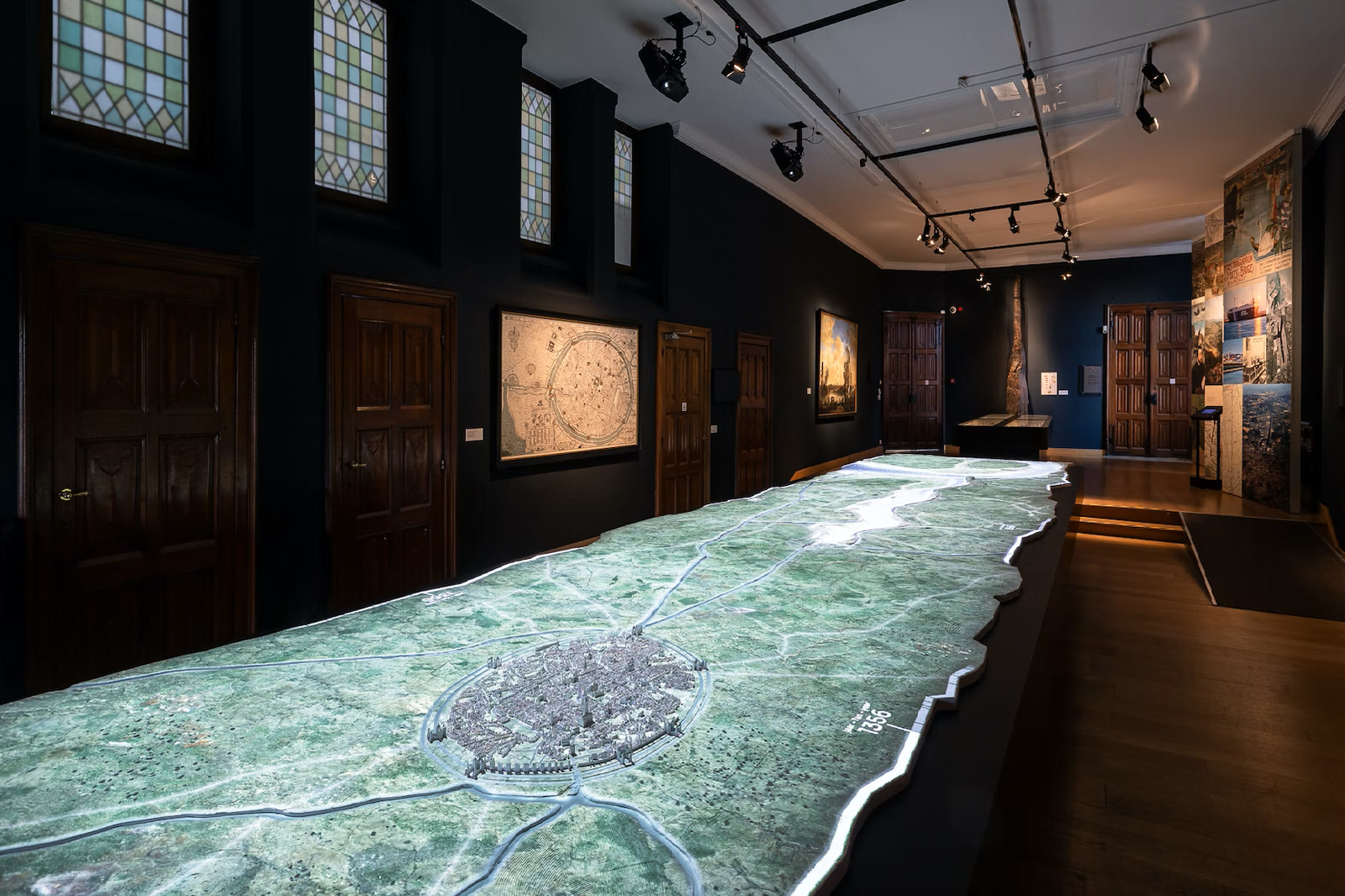
Interactive displays, augmented reality simulations, and sensor-driven installations enrich the physical space, offering deeper layers of storytelling alongside traditional exhibits. These tools help visitors engage with artifacts in a more meaningful and personalized way.
2. Expanding Reach Through Online Presence
Museums that establish strong digital platforms—featuring virtual tours, educational content, and digital archives—are now reaching global audiences. Social media and online engagement allow institutions to connect with visitors before, during, and after their physical visit.
Measuring Impact in the Age of Innovation
Evaluating the success of a museum exhibition involves more than just counting foot traffic. Today’s institutions look at a mix of quantitative and qualitative metrics, such as:
Visitor surveys and feedback
Demographic insights and attendance patterns
Online engagement and social media analytics
Press coverage and public perception
Educational value and program participation
Revenue and long-term brand impact
Even though culture’s influence is often intangible, these indicators provide vital benchmarks for resource allocation and future planning—especially when investing in immersive technology.


Beyond Expectation: Creating Lasting Impressions
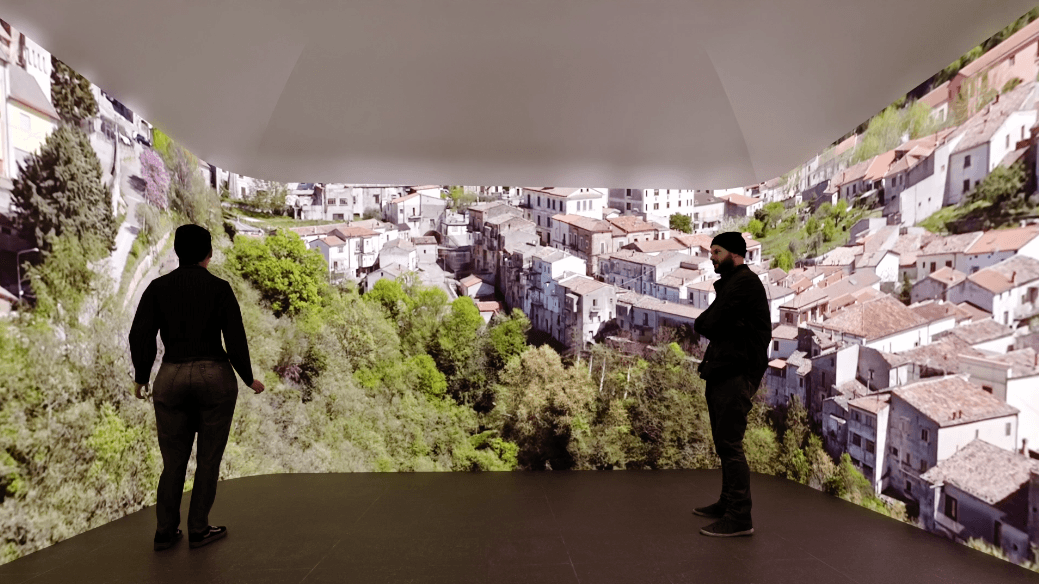
The true power of immersive museum experiences lies in their ability to exceed expectations. By blending cultural authenticity with cutting-edge tech, museums can create environments that spark curiosity, evoke emotion, and ignite imagination. These experiences stay with visitors long after they’ve left the building—and often inspire them to return.
Whether through floor-to-ceiling projections, interactive timelines, virtual reality portals, or touch-based displays, immersive experiences allow museums to redefine what it means to connect with the past, understand the present, and envision the future.
GeoBox Transform Museums for a New Era
Discover how to bring History, Art, and Innovation to Life with GeoBox cutting-edge Technology here:
If you are wondering which models you need, you can always contact us ot chat with Matt- our digital assistant and ask questions explaining your situation, so we can provide you advise. If you want to see some examples of what our processors can do, please check “Reference Design Artchive“, or keep up with our site make sure to follow us on LinkedIn.